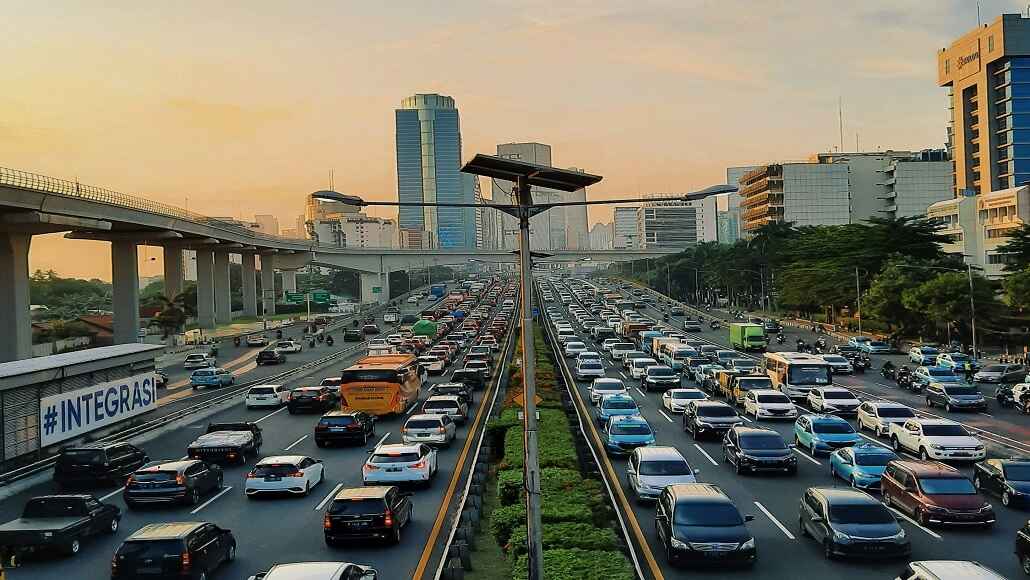
In 2024, the transportation logistics sector is evolving to sustain the pressure of meeting various sustainability targets owing to a global shift in environmental...
Transitioning to an electrified commercial fleet represents a fundamental shift in logistics that demands a strategic overhaul of infrastructure, procurement, and daily operational management. This evolution moves beyond simple vehicle replacement to encompass a sophisticated ecosystem of energy management and grid integration.
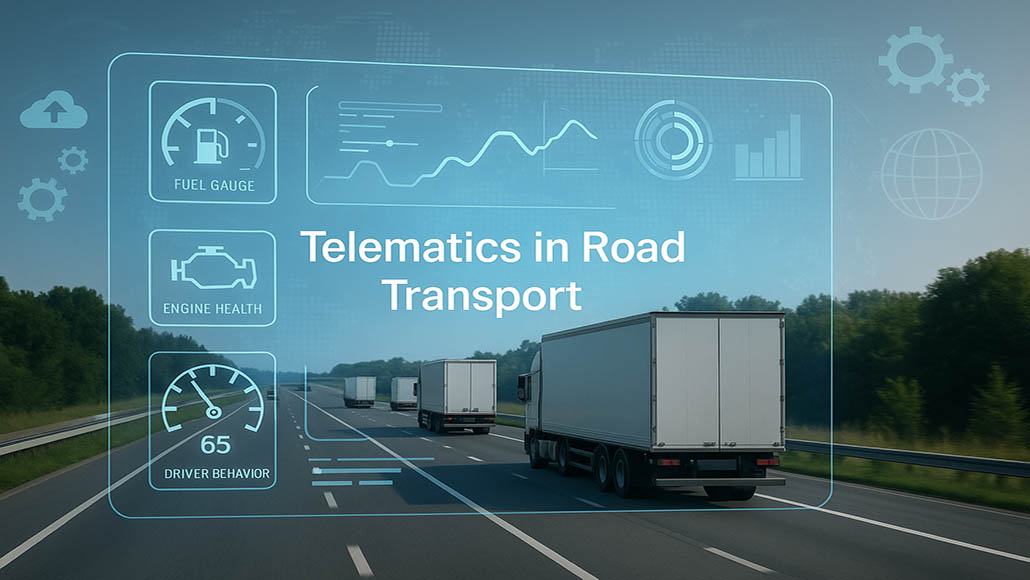
Harnessing the power of real-time data flow transforms modern transport from a reactive industry into a proactive, data-driven ecosystem. Integrating advanced sensors and connectivity allows for unprecedented visibility into vehicle health, driver behavior, and logistics efficiency.
Achieving net-zero goals in the heavy transport sector requires a diverse approach that balances battery-electric technology with the high-energy potential of hydrogen fuel cells. Long-haul logistics are being redefined by these sustainable power sources, marking a new era of environmental responsibility.
Implementing artificial intelligence within logistics frameworks allows for the extraction of high-value intelligence from vast streams of operational data. This transition to intelligent automation enhances route precision, driver safety, and resource efficiency across the entire supply chain.
Integrating cutting-edge safety technologies into heavy-duty trucks significantly reduces road accidents and enhances operational compliance. These intelligent systems provide a critical layer of protection for drivers and the public by proactively managing the risks associated with large-scale transport.
DHL Group and JD.com, China's biggest retailer by sales, have teamed up to help German businesses grow quicker in China and Europe. On February 26, 2026, both firms signed a Memorandum of Understanding (MoU) at JD.com's headquarters in Beijing....
Transitioning to an electrified commercial fleet represents a fundamental shift in logistics that demands a strategic overhaul of infrastructure, procurement, and daily operational management. This evolution moves beyond simple vehicle replacement to encompass a sophisticated ecosystem of energy management and grid integration.
Harnessing the power of real-time data flow transforms modern transport from a reactive industry into a proactive, data-driven ecosystem. Integrating advanced sensors and connectivity allows for unprecedented visibility into vehicle health, driver behavior, and logistics efficiency.
Achieving net-zero goals in the heavy transport sector requires a diverse approach that balances battery-electric technology with the high-energy potential of hydrogen fuel cells. Long-haul logistics are being redefined by these sustainable power sources, marking a new era of environmental responsibility.
Implementing artificial intelligence within logistics frameworks allows for the extraction of high-value intelligence from vast streams of operational data. This transition to intelligent automation enhances route precision, driver safety, and resource efficiency across the entire supply chain.
Integrating cutting-edge safety technologies into heavy-duty trucks significantly reduces road accidents and enhances operational compliance. These intelligent systems provide a critical layer of protection for drivers and the public by proactively managing the risks associated with large-scale transport.
Last year, together with DRONEII, we conducted a Drone Barometer Survey to produce a free whitepaper with perspectives from the drone industry. The paper...
From Michelin Challenge Bibendum to Movin’On: a new leg in our collective journey towards sustainable mobility.
For almost 20 years, the Michelin Challenge Bibendum was...